“Does Medicare cover this?” is the single most common question I hear, and it almost always comes up at an inconvenient moment — after a doctor recommends a procedure, or after a bill arrives that nobody expected. The answer is rarely a flat yes or no. It usually depends on why the service is being done.
This page is the starting point for that question. Below you will find the rules Medicare uses to decide what it pays for, followed by detailed guides on the specific services people ask about most. It is educational information only, not medical or financial advice.
The three questions Medicare asks
Almost every coverage decision under Original Medicare comes down to three things:
- Is it medically necessary? Medicare pays for services needed to diagnose or treat a condition. Care that is cosmetic, elective, or done purely for convenience is generally excluded — LASIK is a classic example.
- Is it on the preventive list? Medicare covers a defined set of screenings — colonoscopies, screening mammograms, diabetes screenings, and others. Many of these cost you nothing when the provider accepts assignment.
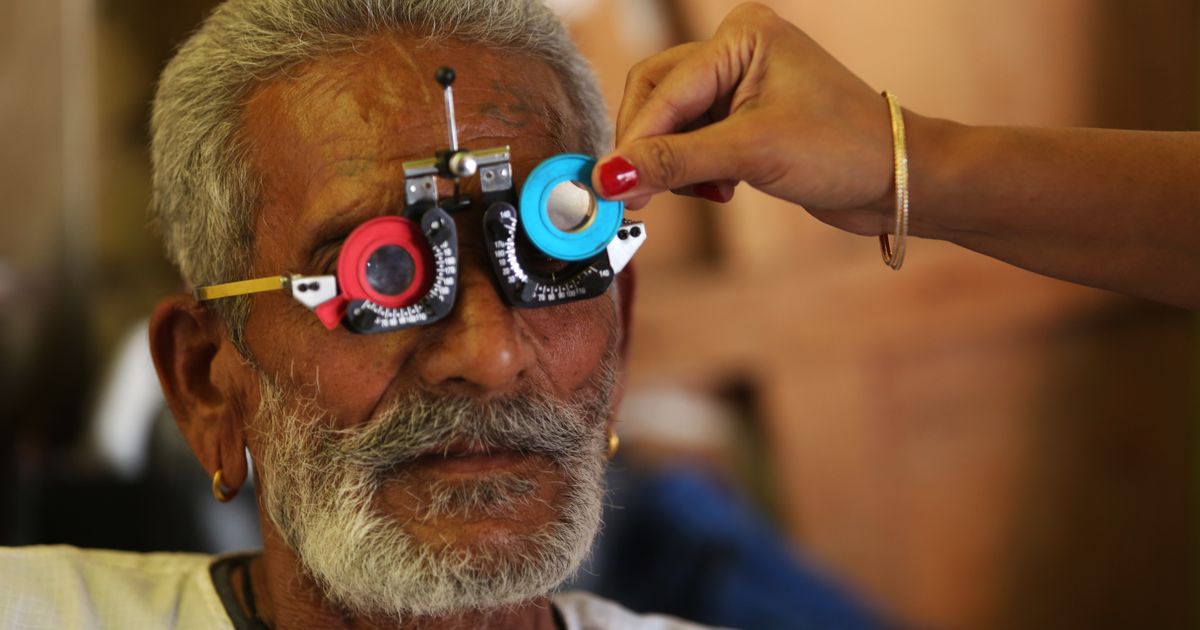
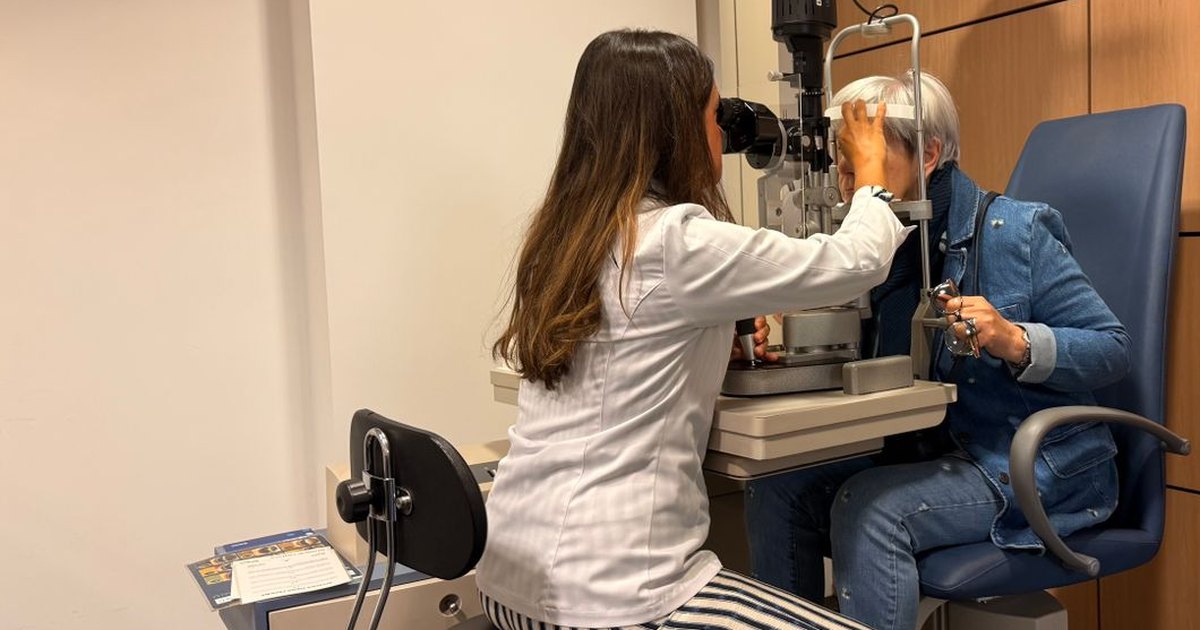
- Is it routine care Medicare simply does not include? Routine dental, routine eye exams for glasses, and hearing aids fall outside Original Medicare no matter how necessary they feel.
One wrinkle those three questions do not capture: a few benefits live under Part D prescription drug coverage rather than Part B. The shingles vaccine is the flagship example — covered at $0 under federal law, but only if you have a Part D plan or a Medicare Advantage plan with drug coverage. Original Medicare alone, or Original Medicare plus Medigap, does not cover it.
Preventive vs. diagnostic: the distinction that causes surprise bills
This is worth understanding before any procedure. A preventive service is a screening done when you have no symptoms; many are covered at no cost to you. A diagnostic service investigates or treats something already found, and it carries the normal Part B cost-sharing — typically 20% coinsurance after the deductible (our guide to what Medicare costs has the current deductible and premium figures).
The catch is that a single appointment can start as one and end as the other. A screening colonoscopy where the doctor finds and removes a polyp is reclassified as diagnostic mid-procedure, which is why people receive a bill for a screening they were told was free. Asking the provider’s office ahead of time what happens in that scenario is the simplest way to avoid the surprise.
What’s covered, at a glance
| Service | Original Medicare |
|---|---|
| Screening colonoscopy | Covered at no cost when the provider accepts assignment; a cost can apply if a polyp is removed |
| Screening mammogram | Covered once every 12 months at no cost for women 40+ when the provider accepts assignment; a diagnostic mammogram after a symptom or callback carries 20% coinsurance after the deductible |
| Medically necessary cataract surgery | Covered under Part B, with 20% coinsurance after the deductible |
| Eyeglasses after cataract surgery | One standard pair covered — a rare exception to the eyewear rule |
| Premium intraocular lenses, LASIK | Not covered (elective or upgrade) |
| Acupuncture | Covered only for chronic low back pain, up to 20 visits a year, with 20% coinsurance after the deductible |
| Chiropractic | Only spinal manipulation to correct a subluxation is covered — not X-rays, exams, or maintenance care |
| Physical therapy | Covered when medically necessary and under a plan of care, with no dollar cap or visit limit |
| CPAP for sleep apnea | Covered under Part B as durable medical equipment after a covered sleep study — a 90-day trial with usage rules, then a 13-month rental |
| Shingles vaccine (Shingrix) | Covered — Part D, $0 with no copay or deductible under federal law; requires a Part D plan or a Medicare Advantage plan with drug coverage (not a Part B benefit) |
| Routine dental care, dentures | Not covered by Original Medicare — narrow exceptions when dental work is tied to a covered medical procedure; many Medicare Advantage plans add a dental benefit that varies by plan and county |
| Routine eye exams for glasses | Not covered by Original Medicare — Part B does cover glaucoma tests for people at high risk, yearly diabetic eye exams, and macular degeneration treatment; many Medicare Advantage plans add a routine vision benefit |
| Hearing aids and fitting exams | Not covered by Original Medicare — Part B may cover a doctor-ordered diagnostic hearing exam |
Medicare Advantage plans must cover everything Original Medicare covers, but they set their own copays, networks, and prior-authorization rules — and many add limited dental, vision, or hearing benefits. So “not covered by Original Medicare” does not always mean “not covered by your plan.” Check your specific plan’s benefits.